If not now – When?

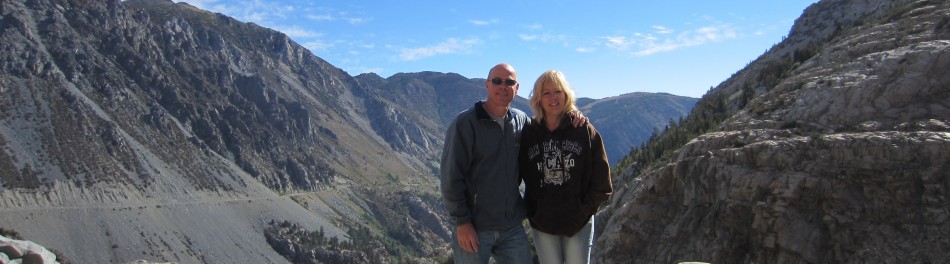
Travels around the world (with Beth and Chris)

Archive for the category “Uncategorized”

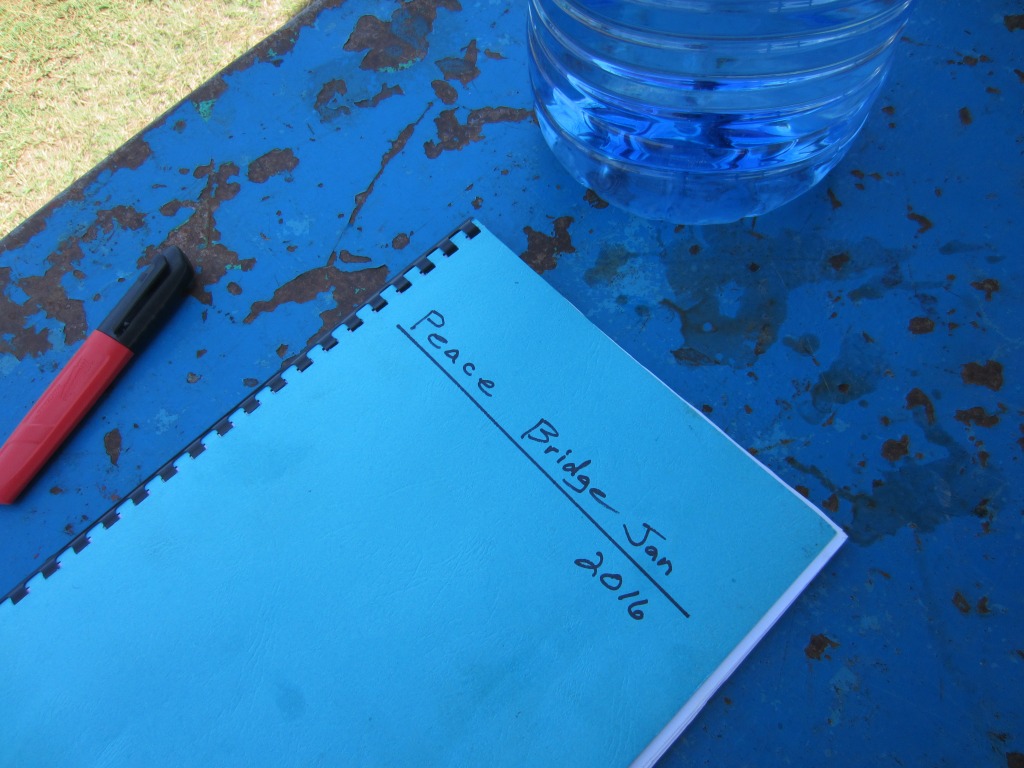
Peace Bridge to a Better World

It is dark in the tent and I hear the zipper opening as Chris gets out to face the day before sunrise. I burrow into my sleeping bag on the comfortable mattress for a little more sleep. Eventually I hear the sound of flip flopping through the morning dew: “good morning Harmon!”. The roosters are cock-a-doodle-dooing, the crickets sing loudly then suddenly stop, there is a bird that sounds exactly like a baby crying, the air is damp and fragrant. Chris delivers my coffee. It is time to start the day at the Peace Bridge site on the Nzoia River in the northern Rift Valley of Kenya. We have arrived here after a short plane flight from Nairobi and a tortuous drive along roads that only a high clearance 4 wheel drive truck could manage.
IMG_5158

IMG_5104

IMG_5110

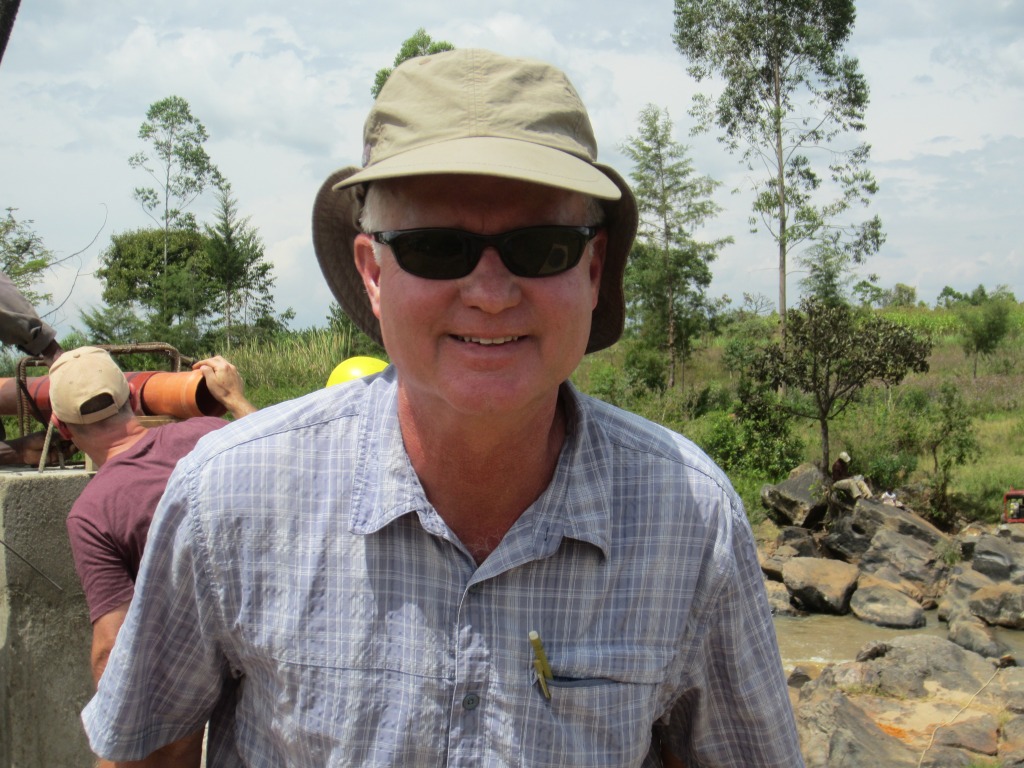
We are here because Harmon and Teri Parker have opened up their lives and their home to us. We want to help. That is what Harmon Parker does: he helps, he inspires, he gives hope. Harmon is the founder of Bridging the Gap Africa. He helps communities build foot bridges. He is a genuine mix of serious and silly,  patience and exasperation,  frustration and tolerance. Harmon is full of intelligence, love, humor, whole-heartedness; he is humble. He barks out orders in one moment and in the next is laughing and teasing (he is a total Hootterite!).IMG_5211
There are three criteria that must be met for Harmon and BtGA to consider a bridge from the many requests: it must improve and facilitate the education, health care, and commerce situations of the joining communities.

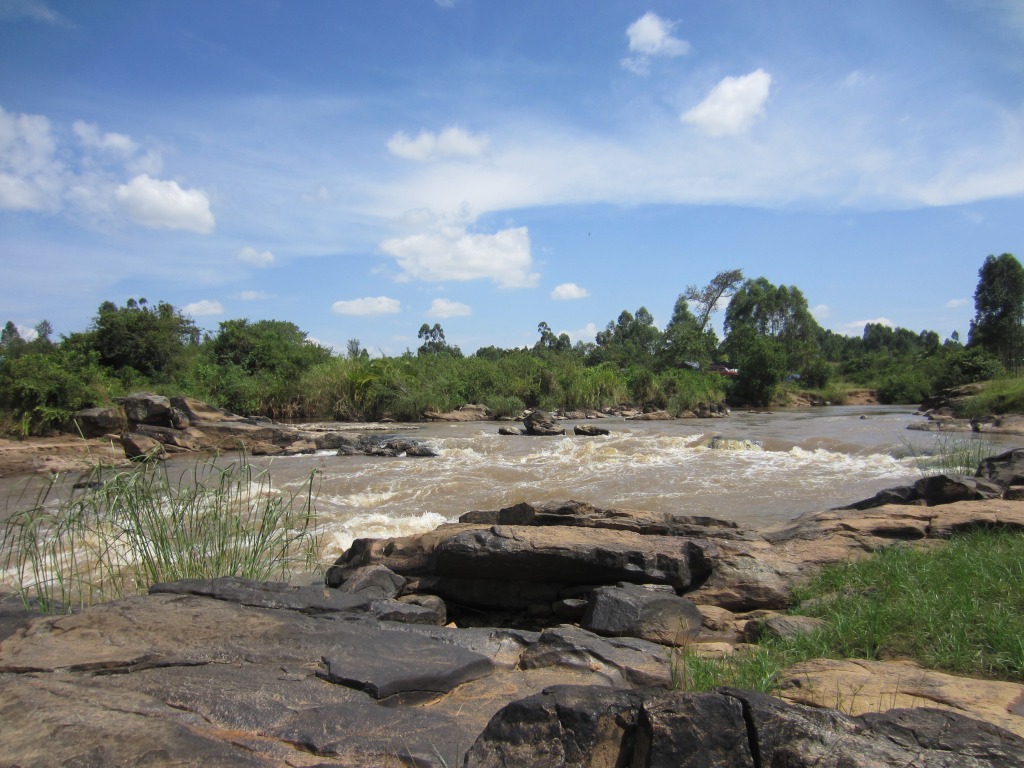
At first sight, the river looks beautiful – meandering and placid, but one day, I watch as a teenager jumps in to cross –  he is swept swiftly down the river as he swims to the other side much farther downstream from where he started. The current is strong, even in low season.

IMG_5323

IMG_5205

IMG_5203

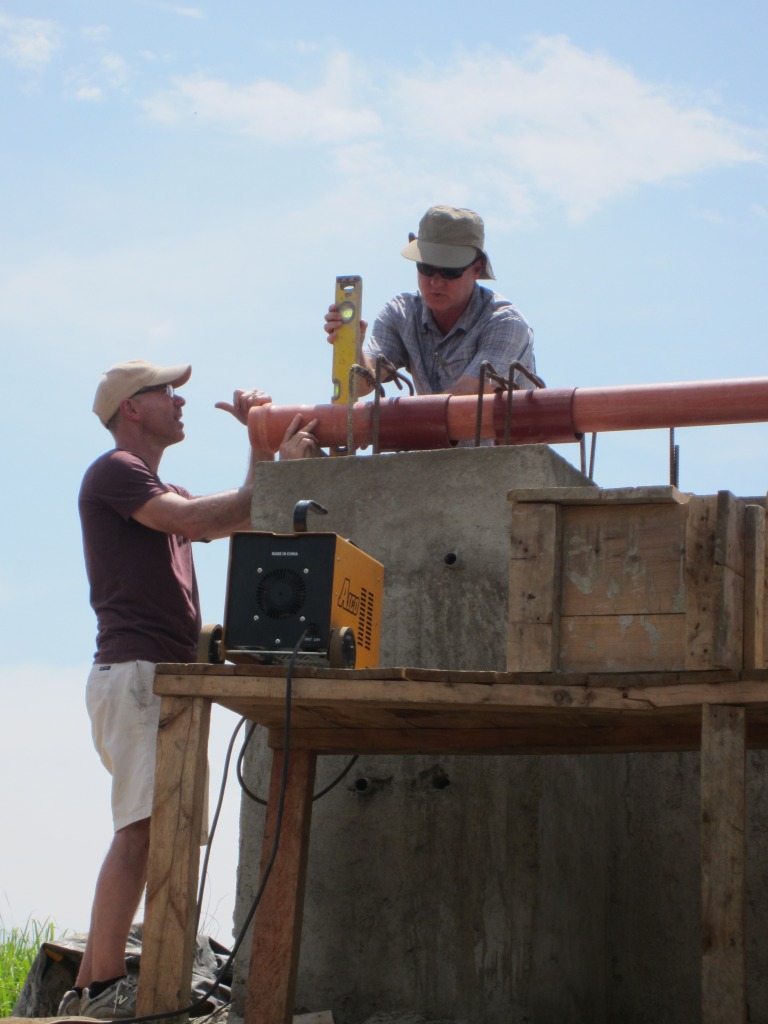
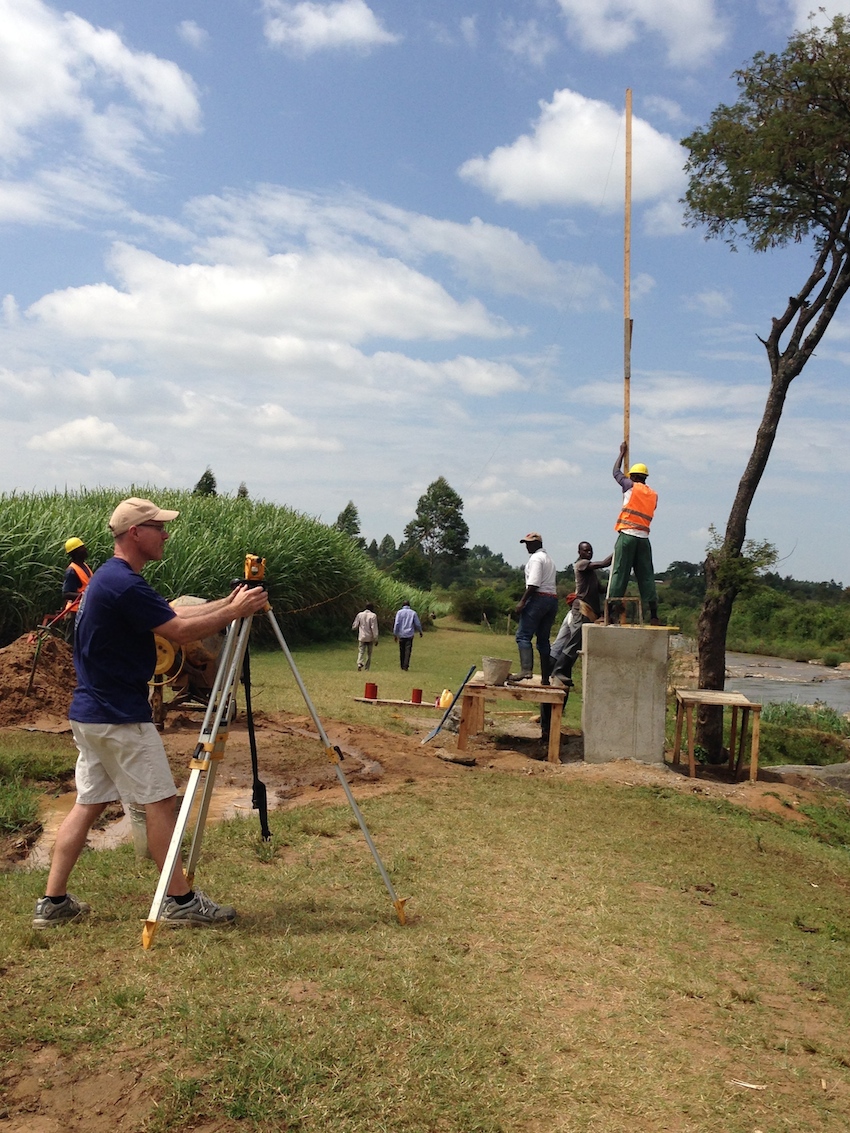
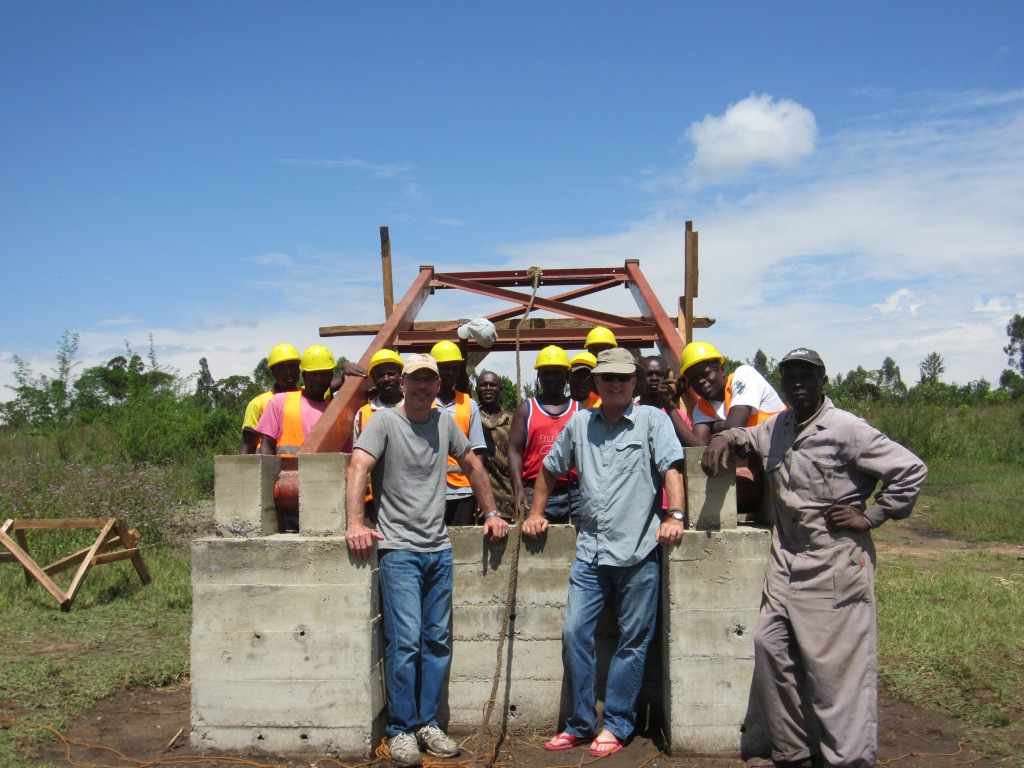
The Peace Bridge is a 45 meter (147 ft.) suspension bridge (designed by Matthew Bowser and team; Matthew is a Canadian professional bridge engineer with the MMM Group) over a dangerous river where many have died trying to cross. It’s a complicated structure that has taken much time and cooperation among communities, engineers, carpenters, welders, laborers, masons, cooks, social workers, volunteers. They work through hot sun and torrential rain. They brainstorm, calculate, and the workers, at Harmon’s playful command must show “asses and elbows” – he does not accept anything substandard. Harmon surrounds himself with quality people. Sylvester is the jovial and capable foreman; he gets the job done and has so many stories to go along with his linguistic skills – he is Harmon’s very likeable right hand man. He is also known as Baba King Solomon – father of his son King Solomon.

IMG_1400

IMG_5221

IMG_5364

IMG_1357

Francis is an extremely skilled carpenter – he builds forms for the concrete, a ladder to go in and out of the pit for the footings, saw horses, and all of the wooden structures for the camp including the newly renovated outhouse with a real toilet dubbed “Beth’s Bush Bathroom” (I am thankful because even though to “flush”, we pour river water down the hole – there is a real porcelain toilet positioned for privacy and with a view of some beautiful gold flowers ).

IMG_1285

IMG_5153

IMG_1265

Amos and Eric run their asses off for whatever needs to be done.
IMG_1274

IMG_1404

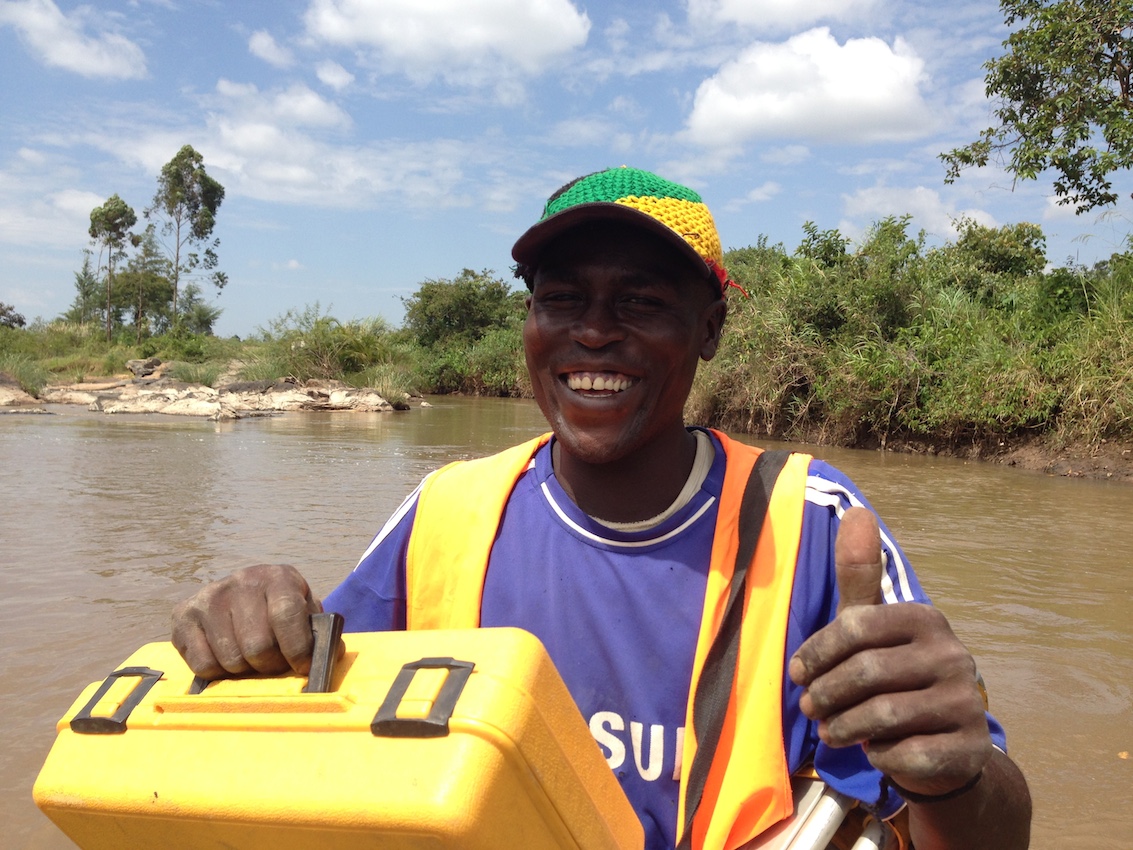
Old Sila the Prophet (who gratefully accepted the melted sneakers Chris bequeaths to him) with massively strong hands- does any hard labor asked of him without a blink of an eye.

IMG_5333

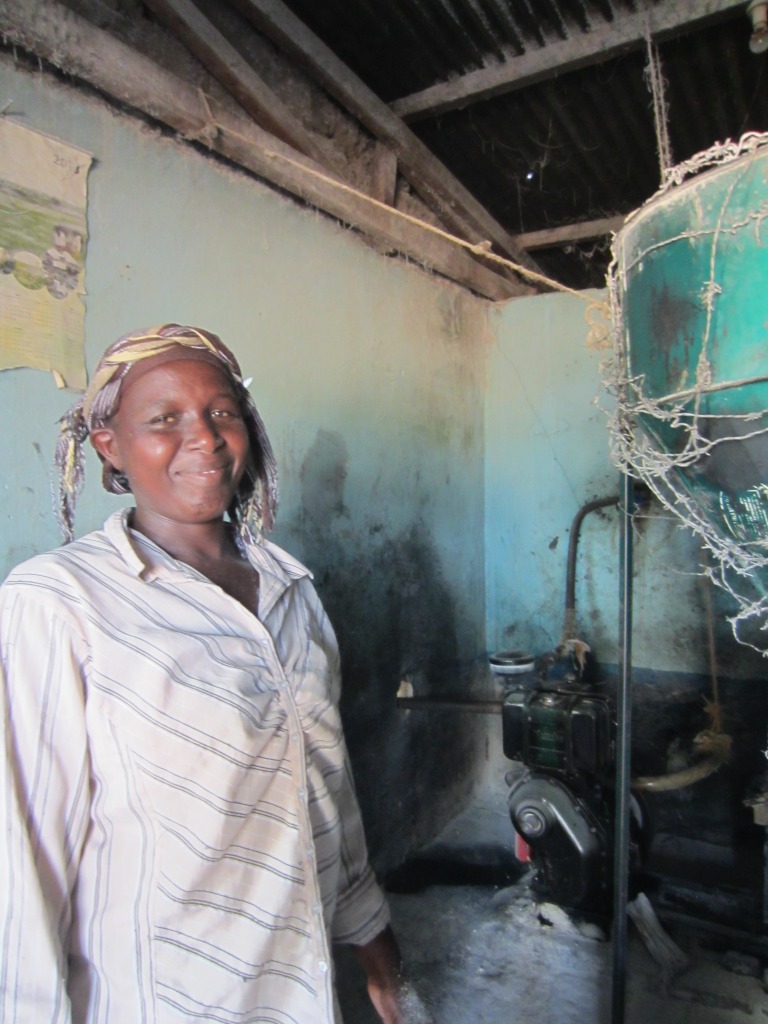
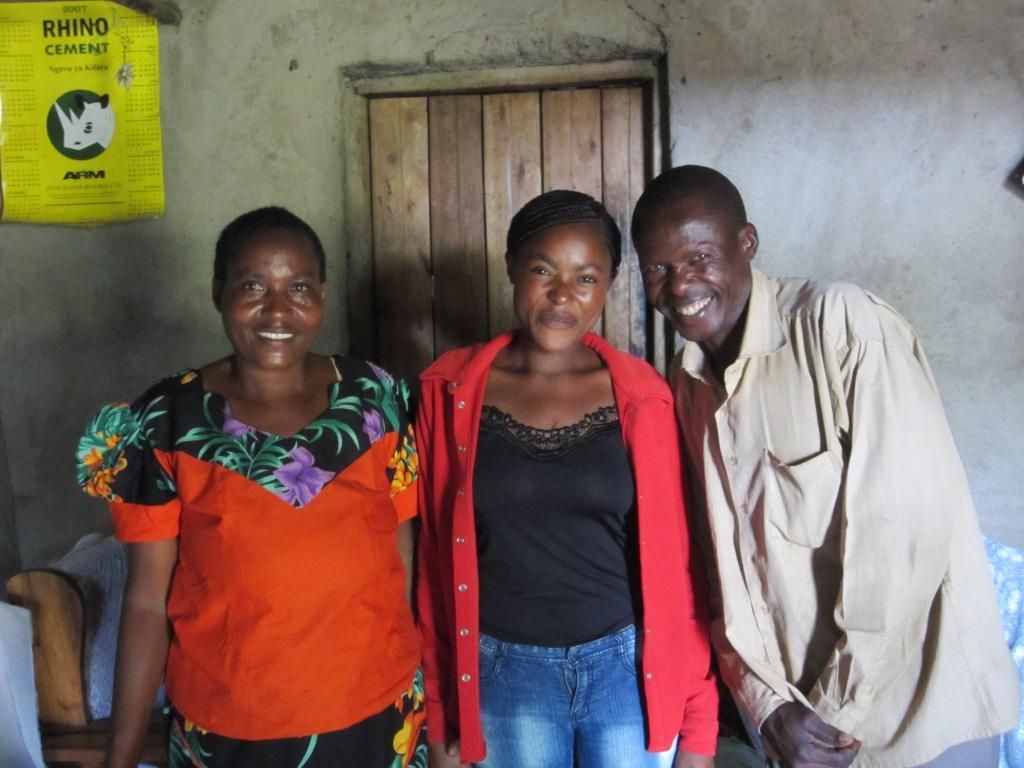
Nasambu is the camp cook. She organizes the meals, cleans clothes, washes the dishes. She is in her young twenties and is studying to be a teacher, She takes us to her modest home one afternoon and we meet her family and neighbors. Luckily for Nasambu, she has moxie, as Harmon puts it, so she fits right in.
IMG_5282

IMG_5341

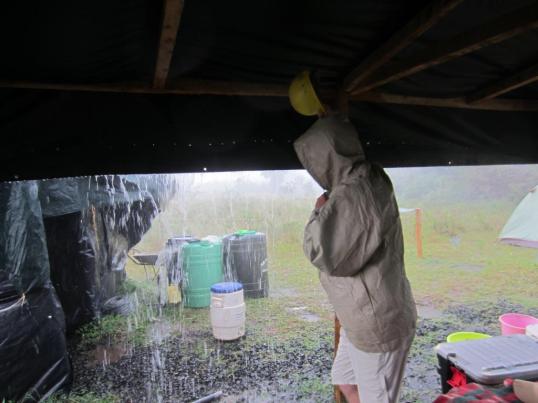
The rest of the crew work hard and watch us wazungu to see what we are made of. They pour cement, hoist the towers, dig and fill holes, and generally provide the necessary muscle. They watch me as a local decides to bathe in the river – Harmon points out the full black moon in my direction as I stand in the shade of the sugar cane (I try to act disinterested….). They huddle together in the shelter from the driving rain with a shivering Chris who toughs  out the storm with them after the cement pour.  They seem to be proud to be a part of the bridge.

IMG_5114

IMG_5256

IMG_5206

IMG_1279

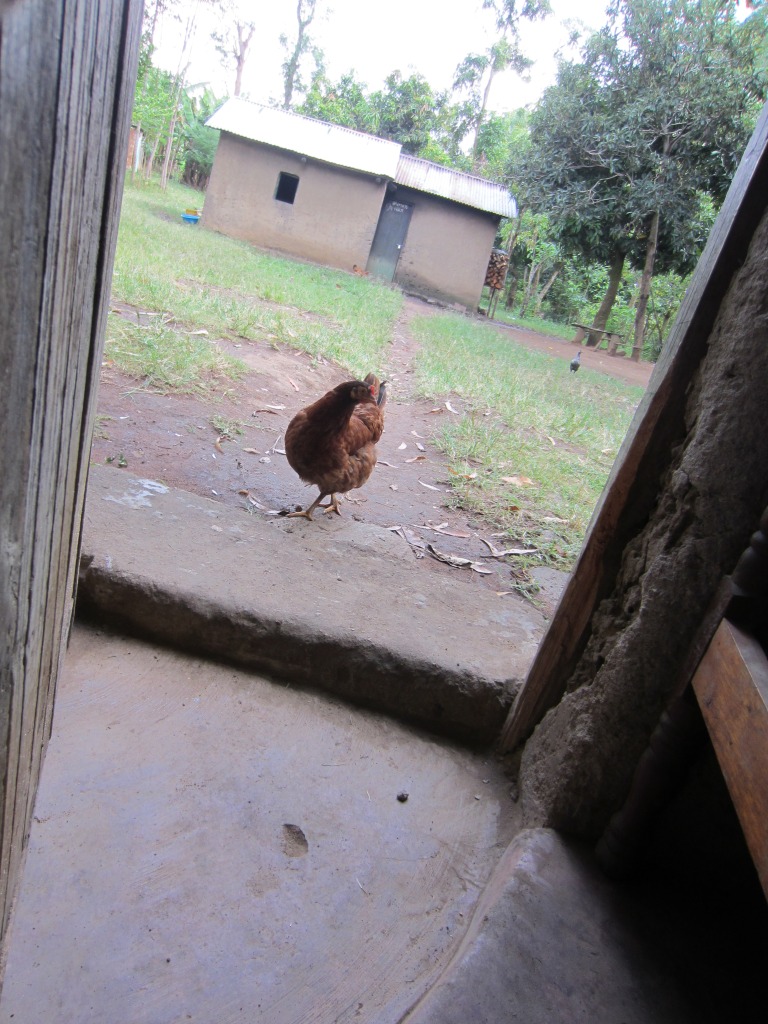
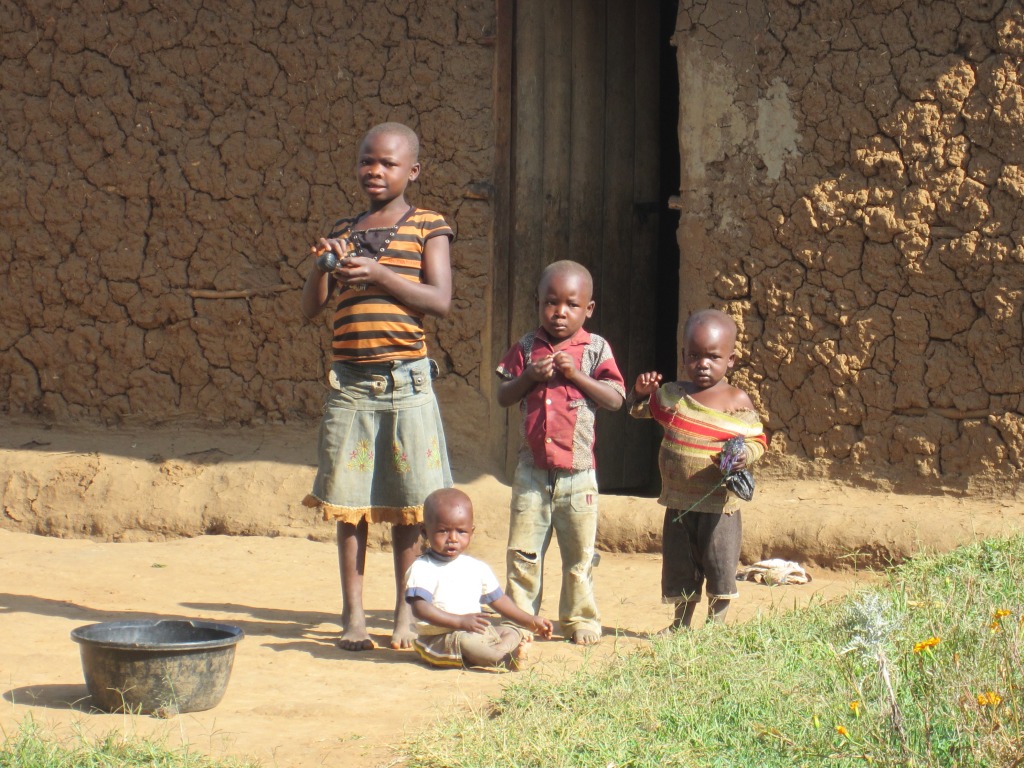
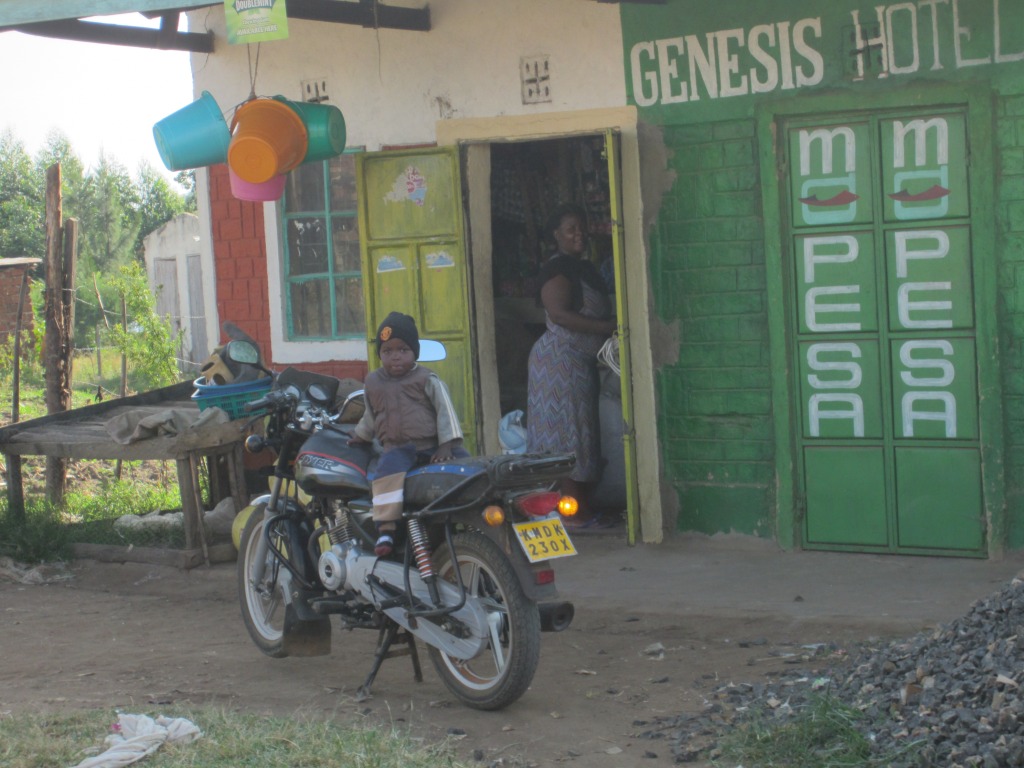
Since I am not an engineer, and although I can calculate angles and do some math, my main interest is in the locals of this third world country. Most homes in these villages have no electricity or running water and are basically groupings of mud huts covered in cow dung. The smokey kitchen has a stone fire pit with a shelf above it for one pot (that is the extent of the appliances). There are grazing goats and pecking roosters, hens and chickens coming into the open doorways. The “business district” is like nothing I’ve ever seen before. We are truly off the beaten path.
IMG_5172

IMG_5174

IMG_5289

IMG_5358

IMG_5191

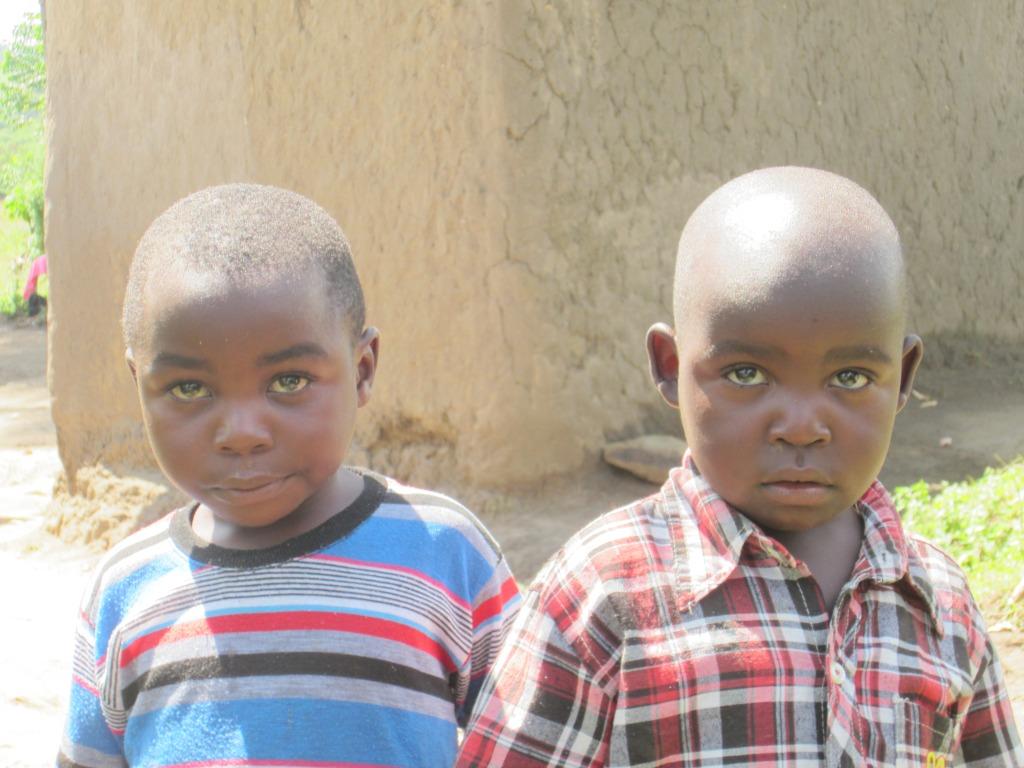
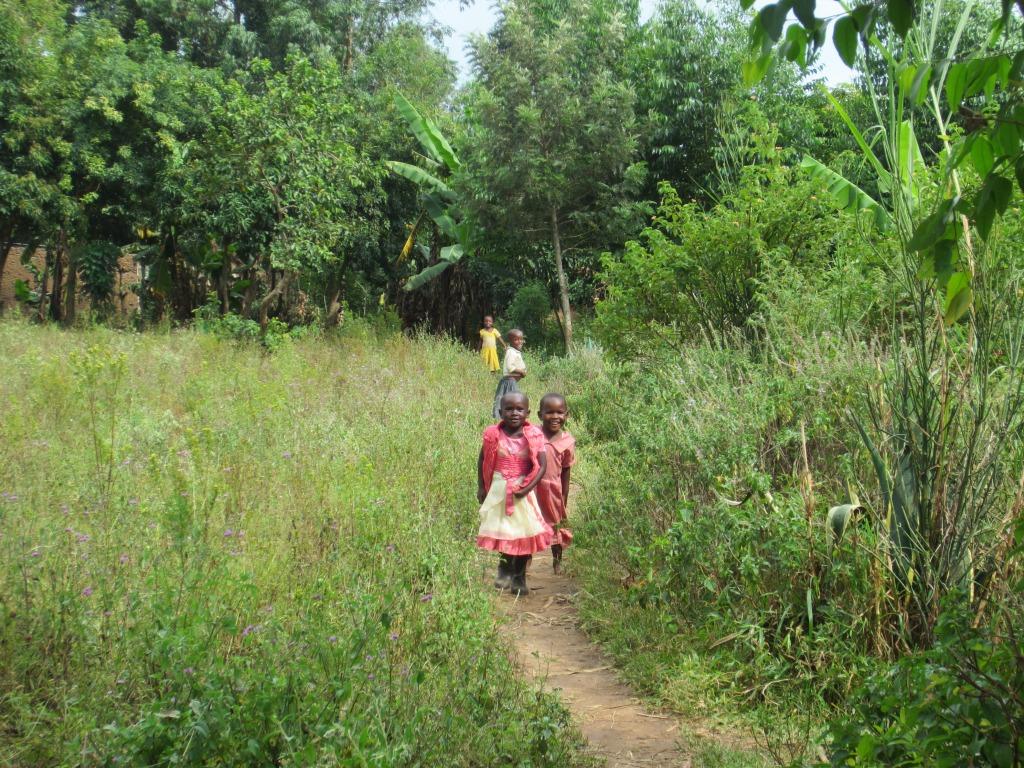
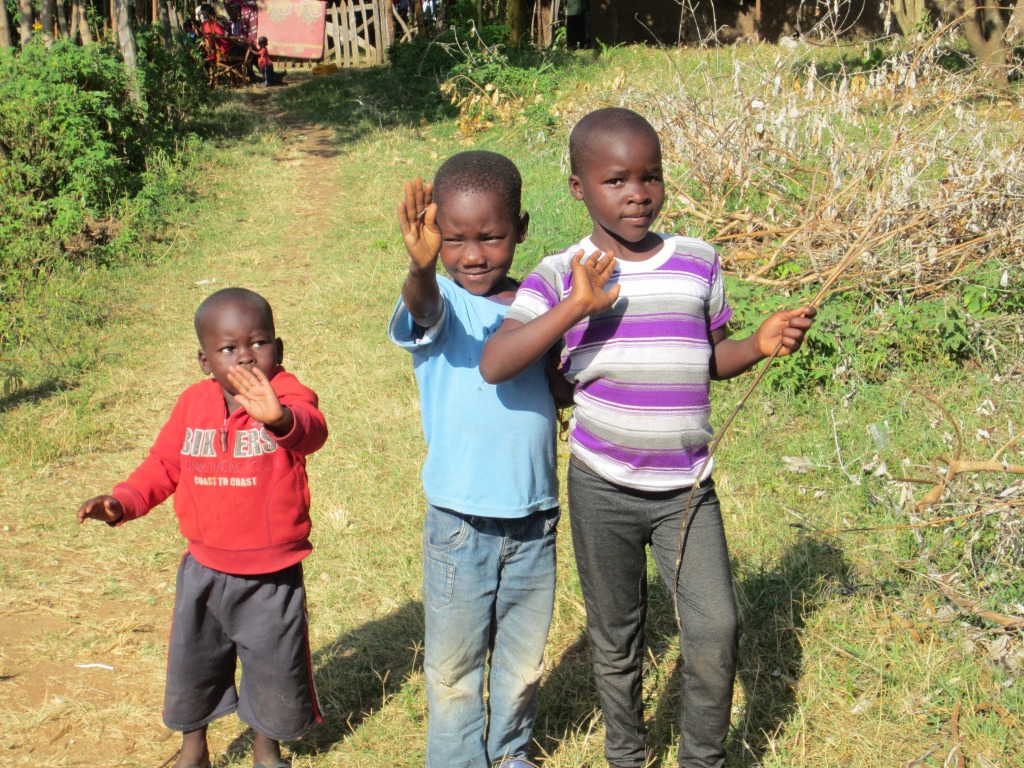
There are small (often barefoot) children who, independent of any adult supervision, come to stare at me, the mzungu – the white person with blonde hair. Often the sight of me makes the babies cry.

IMG_5287

IMG_5186

IMG_5190

IMG_5274

IMG_5305

IMG_1316

There is a young boy – maybe 8 – who one day helps me fill my bucket up with water from the river. His name is Manu – he does’t speak English. I know only a few Swahili words. He comes by the campsite every afternoon and looks over. I shout out to him: “Manu! Jambo!” – I walk over to him and he smiles. He seems interested in what is happening. His “toy” is an old tire that he wheels through the field beside our tents with a bent sugar cane stick.

IMG_5307

IMG_5228

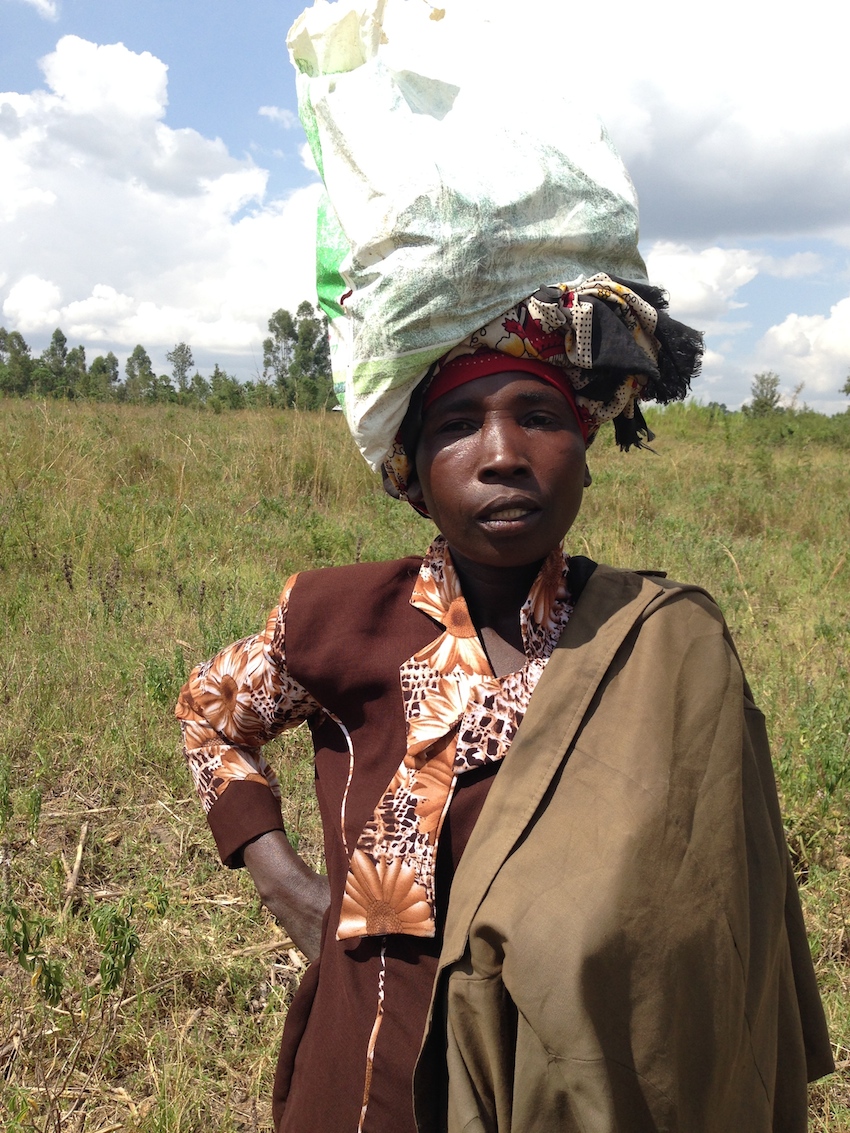
I interact with as many people as I can – I offer my hand and receive a handshake – sometimes the respectful handshake where they put their left hand on their forearm near their elbow, or the more complicated handshake where we snap our thumbs together at the end. The locals are poor; they are proud and happy to have a bridge. They welcome me “karibu sana!”  to their village and country. They smile their incredibly white smiles. Women walk by with various things (from small luggage, to a sack of potatoes, to containers of water) balanced on top of their heads. We pass by a school where the young students gather at the windows to wave and shout “JAMBO!!” to us

IMG_5243

IMG_5272

IMG_5299

IMG_5183

IMG_1342

IMG_5161

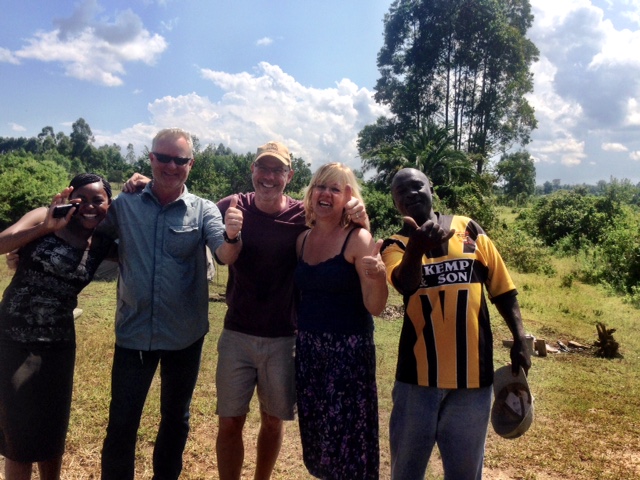
Almost everyone I meet at the bridge site tells me how appreciative they are to have us there helping them with this bridge. I tell them I will pass their message along to the people responsible for their bridge and that I am honored to be there in their village. Suddenly, the dirt under my fingernails, the damp sleeping quarters, the pedicure gone to shit, the ants we shoo away from the table seem insignificant. We are here in Kenya with and because of Harmon Parker, the founder of Bridging the Gap Africa, helping our brothers and sisters.

IMG_5078

IMG_1272

IMG_5316

IMG_1427

IMG_5265

Building bridges to a better world! Sawa Sawa!
 

Jambo!
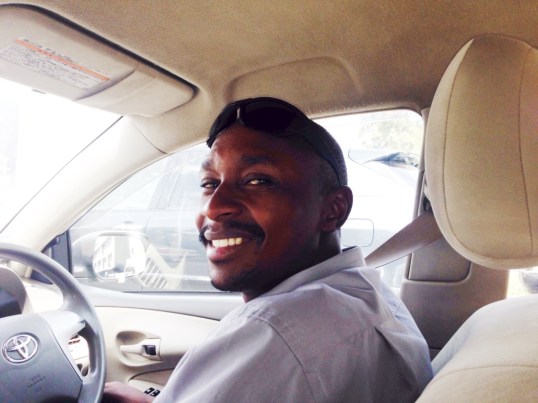
We arrive at the Nairobi airport, make our way through customs, and find the tall and friendly Frances holding the “Chris and Beth” sign. We load his car and get our first glimpses of the capital of Kenya. As Frances weaves his way through traffic, he gives us a bit of a guided tour in his excellent English and teaches us our first Swahili word : “habari yako”; it means “how are you?”  (In the meantime, we have learned “Jambo!’’– it has the same meaning and is easy to say in a jaunty way! – it is my favorite Swahili word – everyone responds). Frances is 32 years old and has been in Nairobi for 15 years. He left his tribal village in Tanzania (and eight siblings) to find work. He has a wife and two children; he proudly shows us pictures of his kids and laughs his full and sincere laugh.

IMG_1087

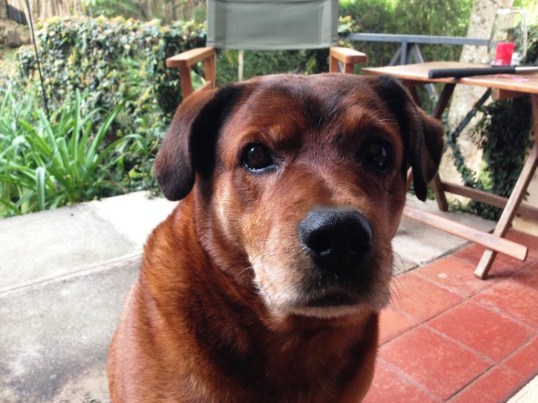
Frances delivers us to “Baba and Mama Joshua’s” beautiful home at the end of Wispers Avenue. The gate is tended by another smiling man and the two watch dogs Tsavo and Mila – we will meet the dogs later on the porch under social circumstances but for now they are doing their jobs :). Harmon and Teri come outside to greet us. I go toward Teri; as I approach her, I can feel her positive energy. We hug rather than shake hands. I immediately like her. We go into their solid home and see African art, a CNN hero poster, fresh flowers, dark and light wood parquet floors, and windows that give us views of the vibrantly green foliage of the Karura Forest. Their home is decorated in a way that feels welcoming and is comfortable. We have a fresh salad for lunch, talk about their history in Kenya (Harmon and Teri lovingly “fight” for the floor – they both have so much to tell us; Chris and I are all ears). Later we sit and have wine – “porch time” – and enjoy the sounds of the babbling river, hear more about the animals we will see from that very porch, what they have scheduled for us the next day, our respective kids, where we can buy souvenir earrings, and of course Bridging the Gap Africa. This is what has brought us here, after all… More about that in the next blog 🙂

IMG_4872

IMG_1100

IMG_1107

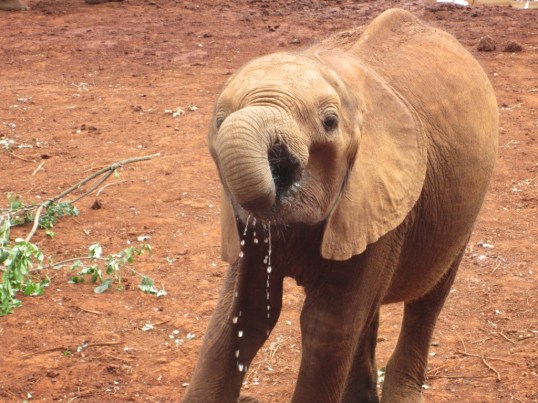
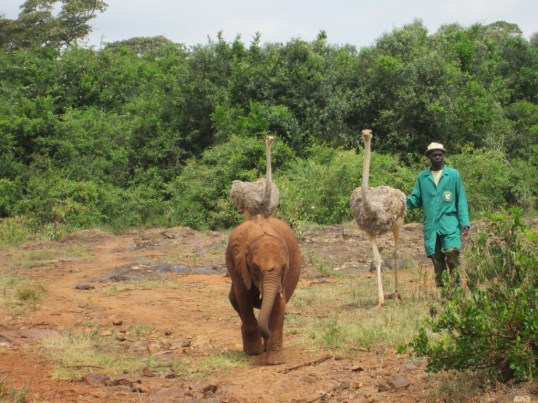
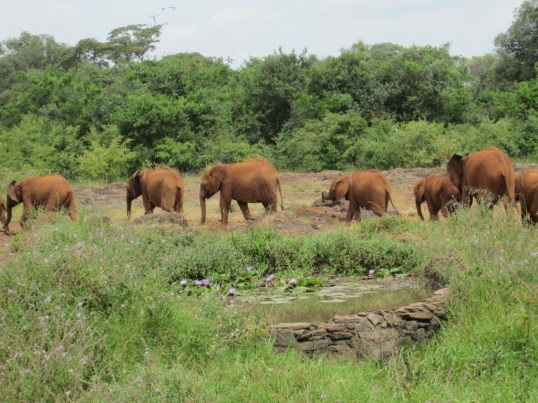
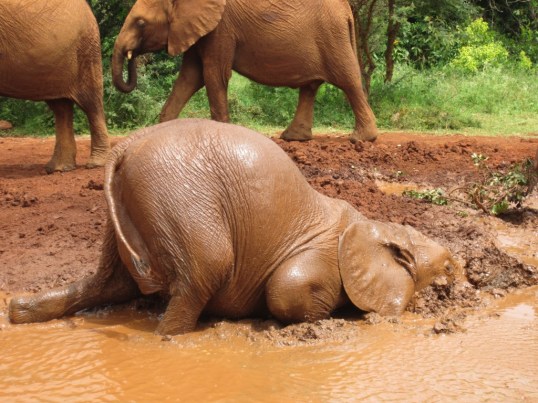
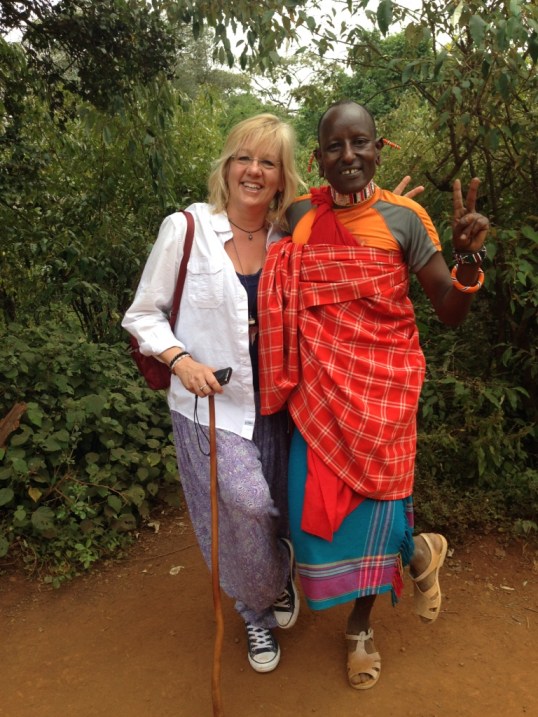
After watching the Sykes monkey escapades in the nearby trees from their porch the next morning, Harmon calls Frances, Teri makes us a list of proposed places to visit and we are off! First stop: Sheldrick Elephant Orphanage. This organization rescues and cares for baby elephants that have lost their mothers. Some were found in wells, most were orphaned because of poaching. The babies come trotting up the path toward the roped off viewing area – they know their bottles of human baby formula are waiting for them.  There is a “mud bath” to burrow into, small branches to gnaw on, a florescent orange soccer ball, and several men who lovingly tend to the elephants. We see 11 elephants in the first group – the younger babies. We are allowed to touch them. I ask one of the men where they like to be touched: “rub behind the ears, like this! Do you want me to take your picture?” After this group files out, the older group of 13 elephants plod single file toward the expectant visitors with two ostriches that were brought in as baby chicks along with one of the elephants.. On the way out, Chris pays 200 shillings (about $2) to get a picture of me with the maasai dude dressed in typical colorful garb, stomping his feet and jumping in the air.

IMG_4890

IMG_4910

IMG_4962

IMG_4986

IMG_5003

IMG_4977

IMG_5016

IMG_1150

Next stop is the giraffe sanctuary. A cool place for – you guessed it – giraffes. Their necks are extremely long and muscular as you would expect, their fur is mottled shades of tan and brown as you would expect, and their tongues are long and kind of blue. I was told I could get a kiss if I hold a food pellet protruding a bit from my mouth. Do you think I did it??

IMG_5039

IMG_5060

After lunch, a coffee, and a  little souvenir shopping (got a wooden carved elephant and my first pair of souvenir earrings 🙂 ) we go back to the Parker’s abode for more porch time, dinner out and packing for the trip to Kitale and beyond. So far we love Kenya, feel safe, and have hopefully made lifelong friends with these welcoming, generous, thoughtful, and loving people – Teri and Harmon Parker .

IMG_0087

Ciao for now!


Because It’s Real

We have spent the last ten days on the humid and tropical island of Mauritius, a small (but not too small) African island in the middle of the Indian Ocean. Mauritius is a land of moist, cool, and green mountains, beaches (of black volcanic rock or white sand littered with bits of shell and coral) mingling with warm aquamarine water. The local brown Mauritian people speak Creole and eat spicy hot food. We drive on the left – or in the middle to avoid the many frequently stopping busses, motor scooters, bicyclers (often with baskets hanging from the handlebars or a child perched on the bar), stray dogs, and pedestrians.  The flora is vibrant. The national ubiquitous symbol of Mauritius is the dodo bird.

IMG_4692

IMG_4592

IMG_4656

IMG_4677

IMG_4756

IMG_4674

IMG_4708

Ascending up the snaking mountain road, there are many sites we see over multiple trips toward and beyond Chamarel. There are rushing waterfalls that photos will do no justice to. It either sprinkles or downright rains every time we venture up. We buy a soft scarf made of llama’s wool to keep me warm and a small dodo bird carved from moonstone for our souvenir shelves at home. We tour a rum factory that produces delicious rum made from sugar cane (we taste tiny sips of many rums – double distilled, classic, vanilla flavored, spiced, coffee liqueur and more). We visit the underwhelming, but still interesting Seven Colored Earth where volcanic rock has cooled and been affected by the sand and weather creating color striations. We drive through the Black River Gorges National Park, stop for a panoramic view and come across some young Indian men driving through the rain on their motorcycles – one has a selfie stick and we oblige him by joining the group photo. We find a gigantic Shiva standing outside holding his trident in front of the largest Hindu temple on the island in Grand Bassin. There are many Indian villages, brightly painted (often pink) temples, different sized statues of Hindi gods, women dressed in colorful Indian garb with bindis, and red Om prayer flags.

IMG_4775

IMG_1054


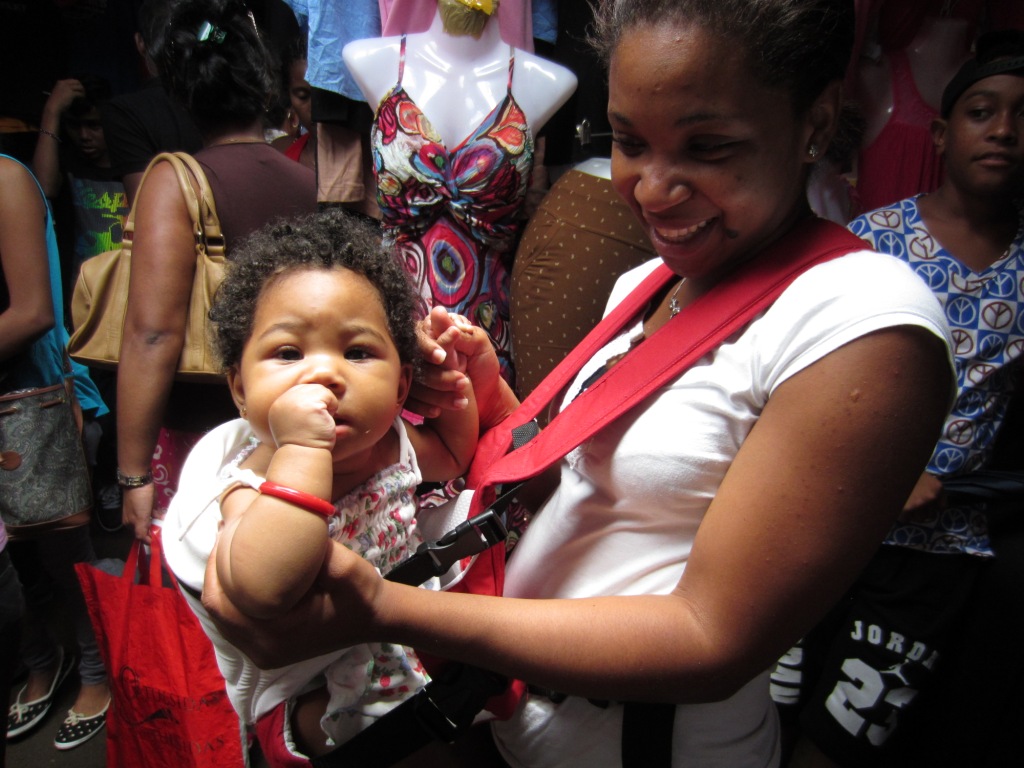
What would an island vacation be without a couple of visits to the local markets? We went to The Port Louis daily Central Market with an only 4 star trip advisor recommendation and would have given it five. The colors and smells abound here! Piles of inexpensive produce I have never seen before – even in Wegmans! – as far as the eye can see. Old men carving the tough spots out of small juicy dark yellow pineapple in a spiral shape, orange papaya with its strange seeds, middle-aged men carrying fruit in boxes on top of their heads, baskets filled with ginger root, fresh lettuces and herbs, tomatoes, lemons, limes displayed in conical piles, young men selling chunks of pure white mildly tasting coconut  – and that’s only the stuff I can identify….Bargaining for souvenirs on the floors above the food, we found all types of pashmina and other bright textiles, carved wooden dodo birds, fridge magnets, spices and, jewelry made of abalone, pearls, semi-precious stones. We drank freshly pressed juice, ate at a small Indian “stall” where people were lined up for the quickly prepared chick pea wraps with…..something delicious…inside, and then later fried noodles (sooooo tasty!) from the Asian stir fry spot. Yes, we walked away a few rupees lighter 🙂

IMG_4846

IMG_4767

IMG_4764

IMG_4735

IMG_4742

IMG_4739

IMG_4762

IMG_4723

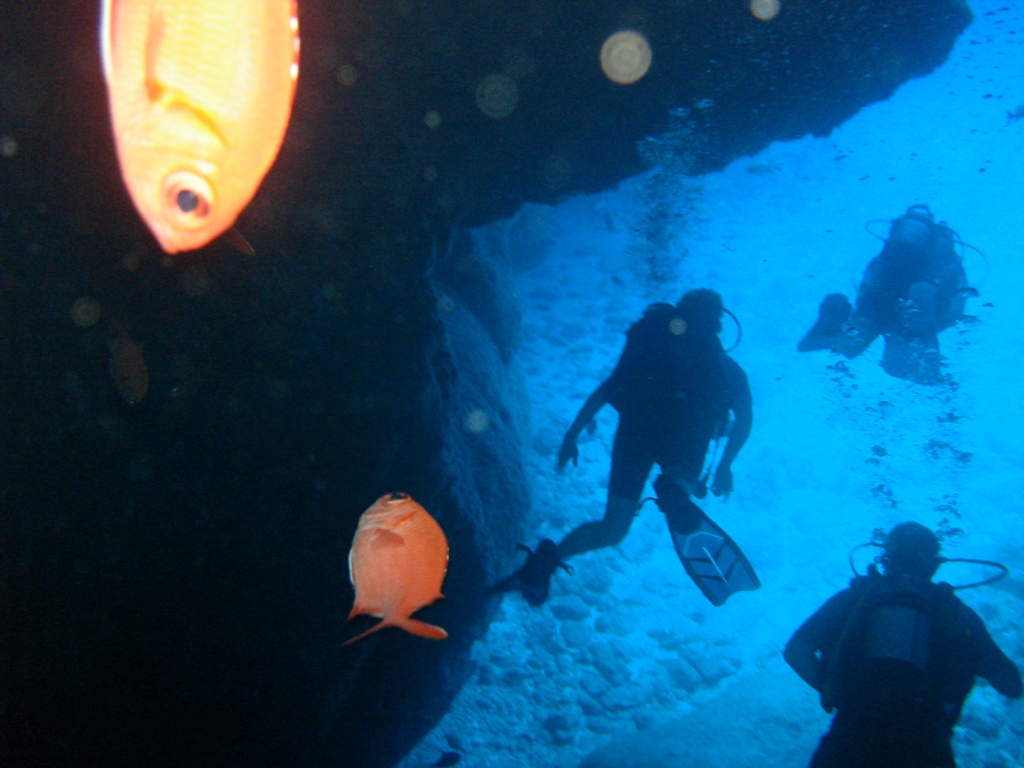
Of course, there are also sea adventures….We dusted off our diving gear after being certified three years ago and descended into the ocean for four beautiful dives, every time feeling increasingly confident. Each experience under water is different. For me, it starts with a mixture of excitement and jitteriness. After attaching the tank and BCD, getting the masks and fins on, then dropping backwards into the water – my nerves change into peaceful awe and respect for the colors, fish, reef, and ocean life. I feel the symbiosis in this natural setting, of the aquatic life, and also my Honeybuns who is my scuba buddy – there must be trust.

Dive Pic

DSC00131

DSC00134

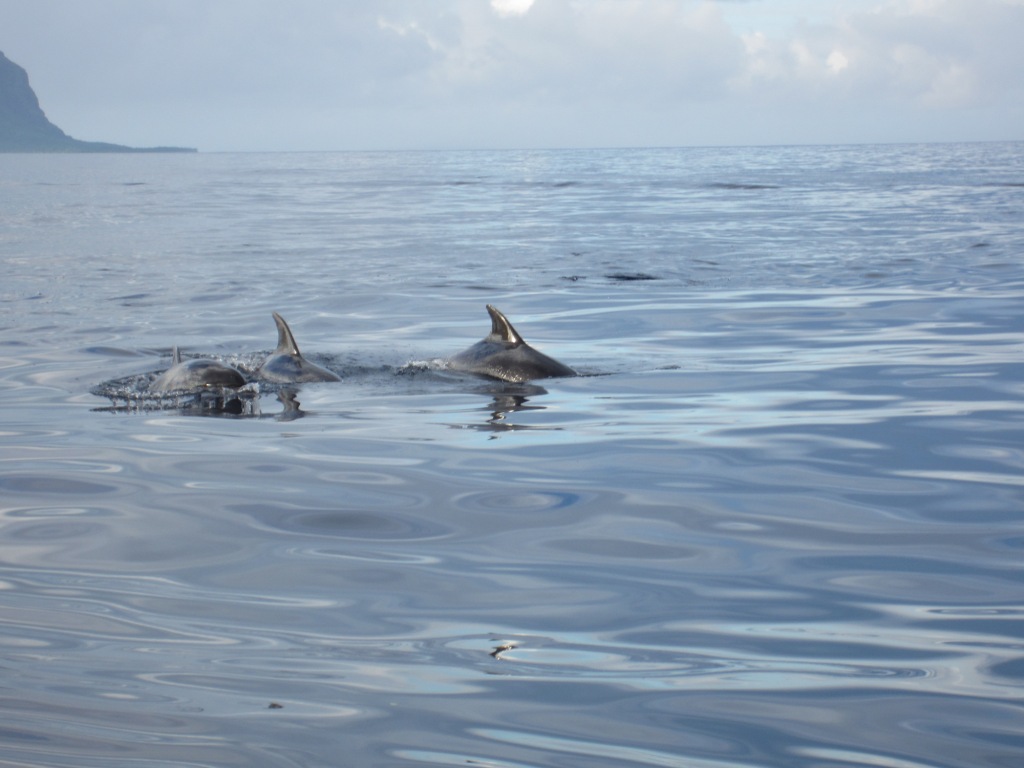
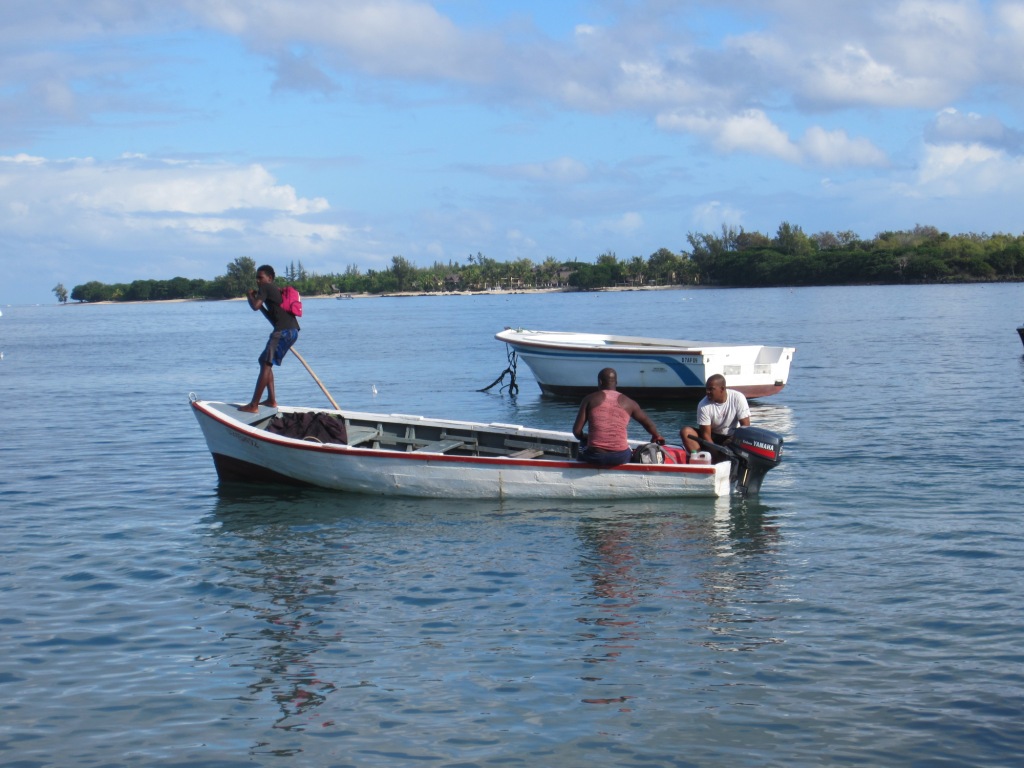
With two days remaining on Mauritius, we spontaneously decide to book a small boat to go interact with the dolphins. At 5:30 am on our final full day we meet Skipper Fred who is tan and pretty buff (do NOT picture the skipper from Gulligan’s Island)  J. He motors us through the light rain out of the Tamarin Bay scanning the water all around. It takes about an hour – a scenic hour where we see the mist rising out of the mountains on land, a brilliant rainbow, and some fabulous flying fish (fascinating!). We come into a pod of bottlenose dolphins along with a few other boats; we slip in and out of the water with our fins and masks to experience these amazing and, I think, gentle creatures  Of course we do not touch them – I hope we are keeping a respectful distance –  but we are close enough to get a good look and it is exhilarating!

IMG_4801

IMG_4814

IMG_4832

IMG_4839

As you can tell, we are having a fabulous adventure….I am happy to share the Facebook version of our trip – the polished up – so-everyone-can-see-how-amazing-our-life-is version. The one where there are no telephone wires, double chins, closed eyes, ugly graffiti in the photos. Yes, you know what I mean. I will tell you a little of the flip side of the last ten days on this island that is truly full of exotic flowers, juicy tropical fruit, colorful souvenirs, and smiling people – not because it was unpleasant or negative, but because it is real. There are many streetwise, scavenging, stray dogs on the island. They created no problem for us as guests, but they are there – looking for food, a safe place to have and feed their litter of puppies. Our host Rudi told me that the locals don’t believe in neutering the animals because “it is not natural…”. The other thing that is not unique to this island is the disparity between the money spent on and by the tourists – and the conditions under which many of the local people live. En route to our holiday ventures, buzzing through in our air-conditioned car,  we pass by small communities of corrugated metal “structures” where people reside. When Chris drives slowly enough I can peek in a little. I see lots of rubbish, dogs lying about, kids playing near the street –some on cell phones, mothers minding their children. I am not judging, but merely observing some differences.

IMG_4789

We have had a fantastic journey so far – and will be in touch from Kenya soon.

IMG_4868

IMG_4684

Ciao!


Post Navigation